Signs Your Masonry Wall Needs Professional Repair
If you notice signs your masonry wall needs professional repair, local contractors can assess damage and restore stability to prevent further issues.
Property owners who notice cracks, shifting, or crumbling in their masonry walls might be facing underlying issues that require professional attention. Recognizing these signs early can help prevent further damage and costly repairs down the line. Whether it's a historic brick wall or a modern stone façade, understanding when to seek expert masonry wall repair ensures the integrity and safety of the property are maintained. Local contractors specializing in masonry repair are equipped to assess the condition of walls and provide effective solutions tailored to the specific needs of the structure.
Exploring signs that your masonry wall needs professional repair is a practical step for many in the area, especially for those concerned with preserving the value and appearance of their property. Over time, natural wear, weather exposure, or shifting foundations can lead to issues that only experienced masonry service providers can address properly. Connecting with skilled local contractors can help property owners protect their investment by restoring their walls to a stable, durable condition. Keep reading to learn more about common warning signs and how local experts can assist in keeping masonry walls strong and secure.
- Cracked Masonry Walls - when visible cracks appear, local contractors can assess structural integrity and perform necessary repairs to prevent further damage.
- Efflorescence or White Stains - signs of moisture intrusion that may require professional repair to address underlying issues and restore wall stability.
- Bulging or Bowing Walls - indicating potential foundation problems, which local service providers can evaluate and repair to ensure safety.
- Repointing Needs - when mortar joints deteriorate, experienced pros can restore the wall’s appearance and strength through proper repointing techniques.
- Falling or Loose Masonry Units - hazards that require prompt repair by local experts to secure the wall and prevent injury or further damage.
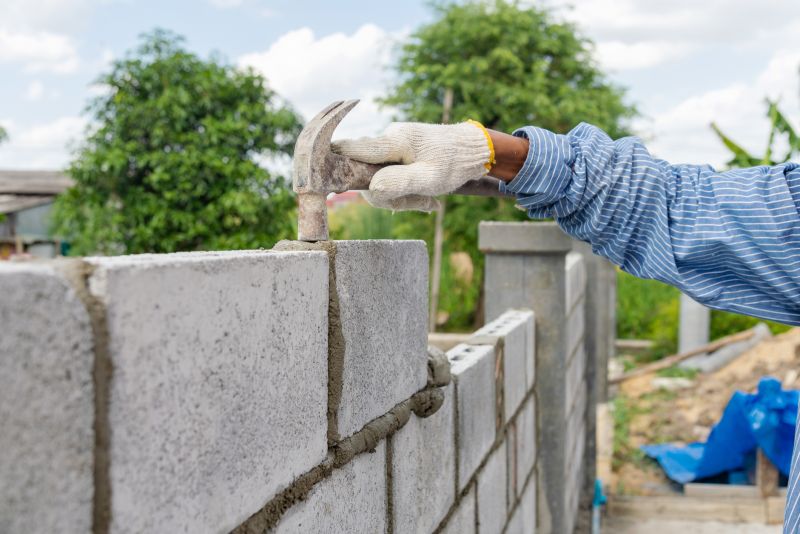
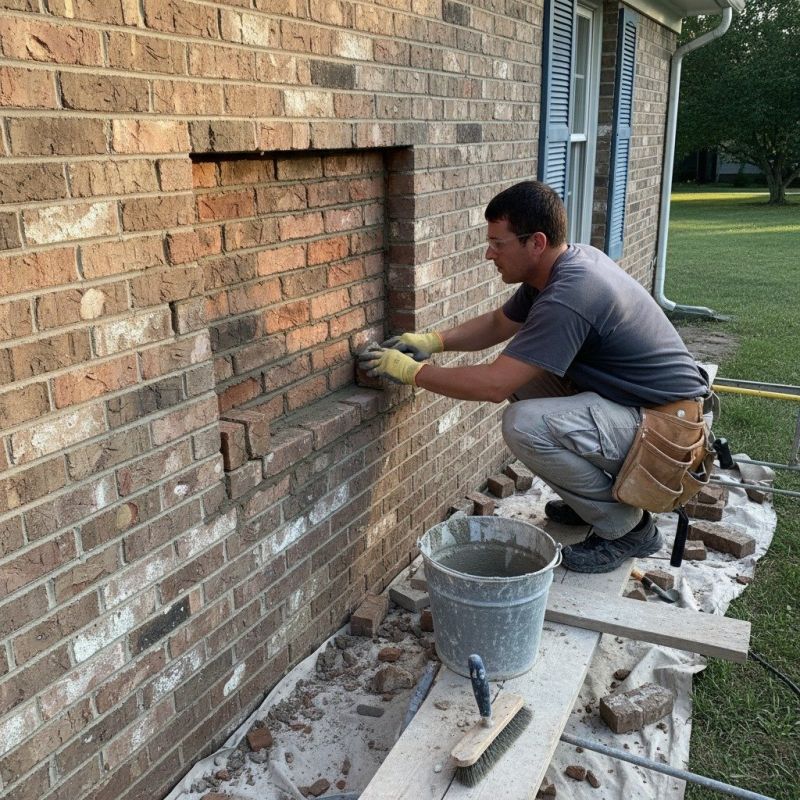
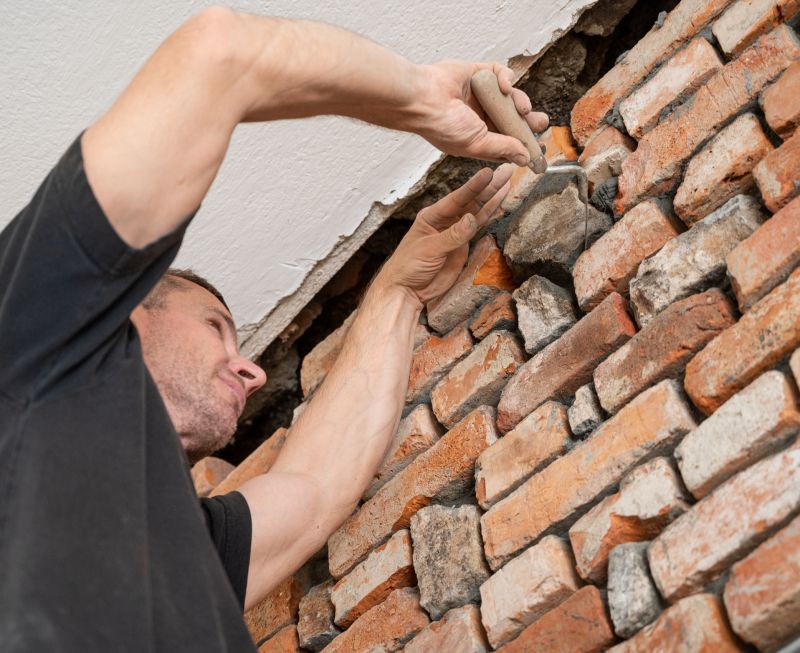
When homeowners search for signs your masonry wall needs professional repair, they are often trying to identify early indicators of structural issues or damage that could worsen over time. Masonry walls, whether made of brick, stone, or concrete blocks, are common features in residential properties, serving as load-bearing structures, retaining walls, or decorative facades. Recognizing when these walls are showing signs of distress is crucial to preventing more extensive and costly repairs later. Homeowners might notice cracks, bulges, or leaning in their masonry walls, which can signal underlying problems such as shifting foundations or compromised mortar joints. Understanding these signs helps property owners determine whether professional intervention is necessary to preserve the integrity and safety of their structures.
The problems associated with deteriorating masonry walls often relate to issues like cracking, water infiltration, and material failure. Cracks can develop due to settling, temperature fluctuations, or moisture-related expansion and contraction. Water infiltration, especially through damaged mortar or porous materials, can lead to further deterioration, mold growth, or even structural instability if left unaddressed. Property owners may also plan repairs or upgrades that involve removing or replacing sections of masonry to improve aesthetics or functionality. These projects require careful assessment to avoid exacerbating existing damage or creating new vulnerabilities. Recognizing these issues early allows homeowners to seek professional repair services that can assess the severity of the damage and recommend appropriate solutions.
Properties that typically feature masonry walls include single-family homes, multi-unit residential buildings, commercial facilities, and historic structures. In residential settings, masonry is often used for exterior facades, retaining walls, and chimneys, making it a prominent feature of the property’s overall appearance and stability. Commercial properties may have masonry walls as part of their foundational or boundary structures, while historic buildings often rely heavily on traditional masonry techniques. Regardless of the property type, the common factor is the need for timely maintenance and repair when signs of deterioration appear. Local masonry wall repair contractors understand the specific requirements of different property styles and can provide tailored solutions to address issues effectively.
Understanding the signs that indicate a masonry wall needs professional repair is essential for homeowners who want to maintain the safety and longevity of their property. Cracks that are wide, persistent, or growing over time, especially those that run through multiple courses of masonry, are strong indicators of underlying structural concerns. Bulging or leaning walls suggest shifting foundations or excessive pressure from behind the wall, which can threaten stability. Additionally, visible mortar deterioration, efflorescence (white salt deposits), or water stains are signs that moisture is penetrating the wall and causing damage. Recognizing these warning signs early and consulting experienced service providers can help homeowners prevent minor issues from escalating into major repairs, ensuring their masonry walls remain secure and visually appealing.
Bricklaying Restoration - Professionals skilled in brick and stone repair can address cracks, bulges, and deterioration in masonry walls, similar to the skills needed for identifying signs your masonry wall needs professional repair.
Structural Reinforcement Projects - These projects involve assessing and strengthening walls that show signs of instability, aligning with the planning and evaluation involved in masonry wall repairs.
Foundation Repair Services - Since foundation issues can cause visible damage to masonry walls, local contractors experienced in foundation work can help address underlying problems affecting wall integrity.
Chimney Repair and Restoration - Chimney repairs require masonry skills comparable to those used in repairing and maintaining masonry walls, especially when addressing cracks or leaning structures.
Stone Veneer Installation - Installing or repairing stone veneers involves similar techniques and planning as masonry wall repairs, making it relevant for addressing surface damage or deterioration.
Waterproofing and Sealing Services - Protecting masonry walls from water damage involves sealing and waterproofing, which is essential when signs of moisture intrusion indicate the need for professional repair.
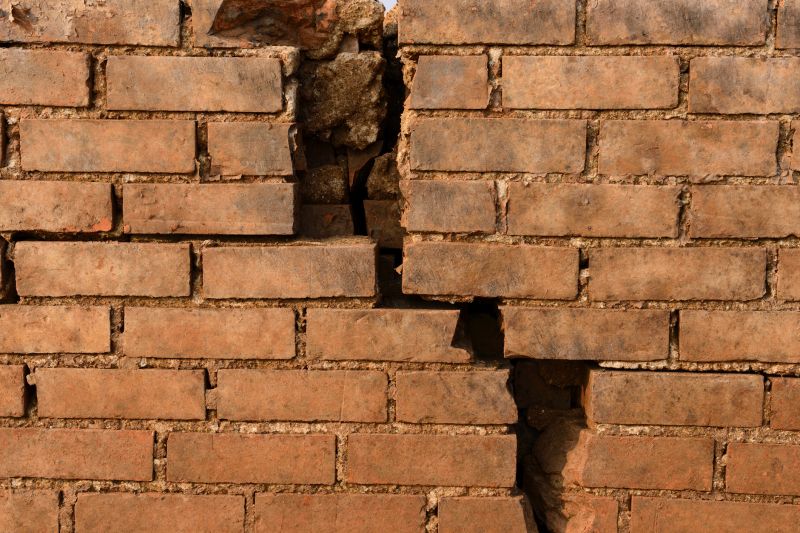
When evaluating masonry wall repair services, it’s important to consider the experience of local contractors with similar projects. Homeowners should inquire about how long a service provider has been working on masonry walls and whether they have handled repairs comparable in scope and complexity. An experienced professional will have a better understanding of common issues such as cracking, leaning, or deterioration, and will be more equipped to recommend effective solutions. Ensuring that the contractor has a solid track record with projects similar to the one at hand can help reduce the risk of future problems and ensure the repair work is performed correctly.
Clear written expectations are essential when comparing local service providers for masonry wall repair. Homeowners should seek detailed estimates that outline the scope of work, materials to be used, and the estimated timeline for completion. Having these expectations documented helps prevent misunderstandings and ensures both parties are aligned on what the repair process involves. It’s also advisable to ask for a written warranty or guarantee on the work, which provides added confidence that the repairs will be durable and that the contractor stands behind their craftsmanship.
Reputable references and good communication are critical factors when selecting service providers for masonry wall repair. Homeowners can ask potential contractors for references from previous clients who had similar repairs completed. Speaking with past customers can provide insight into the contractor’s reliability, quality of work, and professionalism. Additionally, choosing a provider who communicates clearly and promptly can make the entire process smoother, from initial assessment through project completion. Good communication ensures that homeowners’ questions are answered and that any concerns are addressed throughout the repair process.
Property owners often search for signs your masonry wall needs professional repair when they are planning practical projects around their homes and businesses. Local pros provide Masonry Wall Repair services for everyday jobs and straightforward project options.
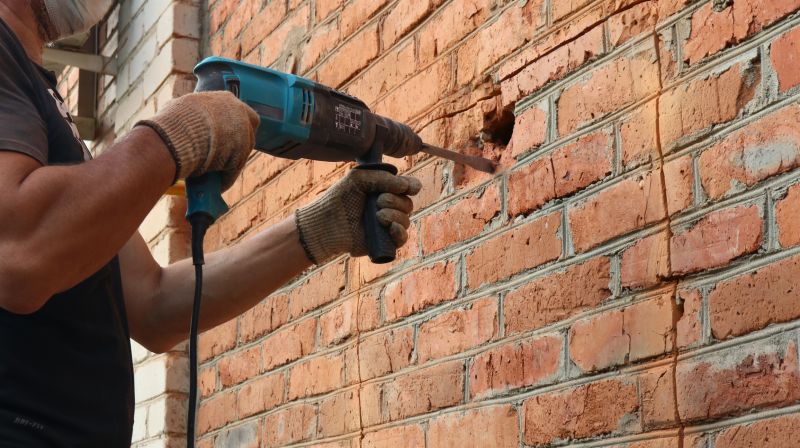
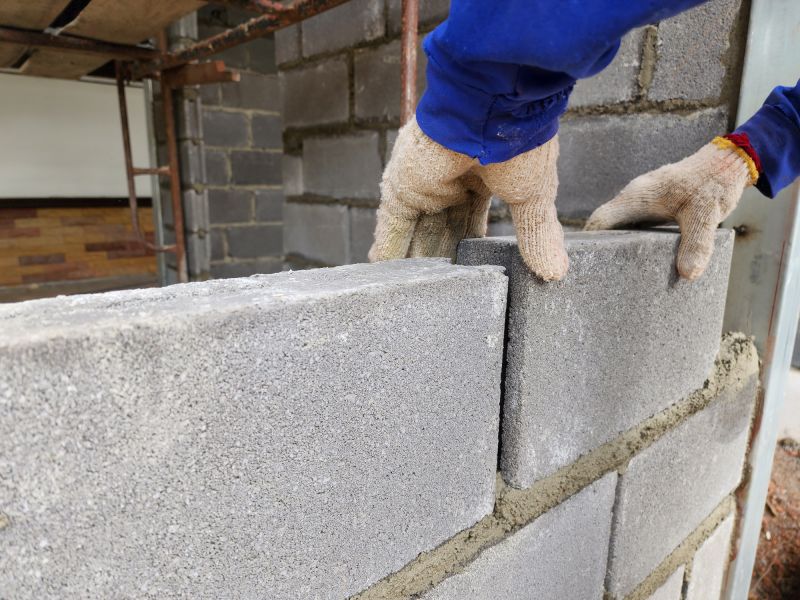
Property owners in the area often notice certain signs that indicate their masonry walls may need professional repair. Cracks that appear suddenly or grow larger over time can weaken the structural integrity of the wall, making it essential to have a qualified service provider assess the damage. Additionally, signs of deterioration such as crumbling mortar joints, loose or shifting bricks, or visible water damage can point to underlying issues that require expert attention. Recognizing these warning signs early can help prevent more extensive and costly repairs down the line.
Many local property owners seek out masonry wall repair services when they observe water pooling near the base of the wall or efflorescence-white, powdery deposits-on the surface. These issues often suggest moisture infiltration or mortar deterioration, which can compromise the stability of the structure. If a masonry wall appears bowed, leaning, or shows signs of bulging, it’s a clear indication that professional assessment is needed. Connecting with experienced local contractors can ensure that these problems are addressed promptly and effectively, helping to maintain the safety and appearance of the property.
What are common signs that a masonry wall needs professional repair? Indicators include visible cracking, bulging, or leaning of the wall, as well as mortar deterioration and loose or missing bricks.
How can I tell if mortar joints are damaged and require repair? Damaged mortar joints may appear cracked, crumbling, or recessed compared to surrounding mortar, and can lead to instability if left unaddressed.
What does it mean if bricks or stones are shifting or falling out? Shifting or falling bricks often indicate underlying structural issues or mortar failure, which should be assessed and repaired by experienced service providers.
Are there signs of water damage that suggest masonry wall repair is needed? Water stains, efflorescence, or spalling bricks are signs of water infiltration that can weaken the wall and require professional attention.
When should I consider hiring a professional for masonry wall repair? If there are significant cracks, bulges, or signs of deterioration that compromise the wall’s stability, consulting local contractors is recommended to prevent further damage.
Cracks and Gaps - Noticing cracks or gaps in a masonry wall can indicate structural issues, prompting property owners to seek professional repair services to ensure safety.
Efflorescence or Discoloration - Experiencing white powdery deposits or discoloration on the surface suggests moisture problems that may require expert intervention from local contractors.
Bulging or Leaning Sections - Observing parts of the wall that are bulging or leaning can signal instability, making professional assessment and repair essential for stability.
Water Damage Signs - Detecting water stains or mold growth on or near the wall points to underlying issues that local service providers can address through proper repair techniques.
If you are thinking about signs your masonry wall needs professional repair for a property, this guide is meant to help you understand this topic, the typical project types, and how different options might fit your plans.
When you are ready, you can use the quote form on this page to share a few details about your project. From there, local pros can review the basics and follow up with options that match what you have in mind.